Best of

Best beverage programs

Lists are built from editorial scores and refreshed as menus are re-verified. We only publish a city list when there's enough reviewed coverage to make it honest.

Browse

Browse by program

Each link applies the selected program filter to the published venue catalog.

Top ranked

Highest-scoring programs right now

Ranked by the Inebrious Beverage Program Score.

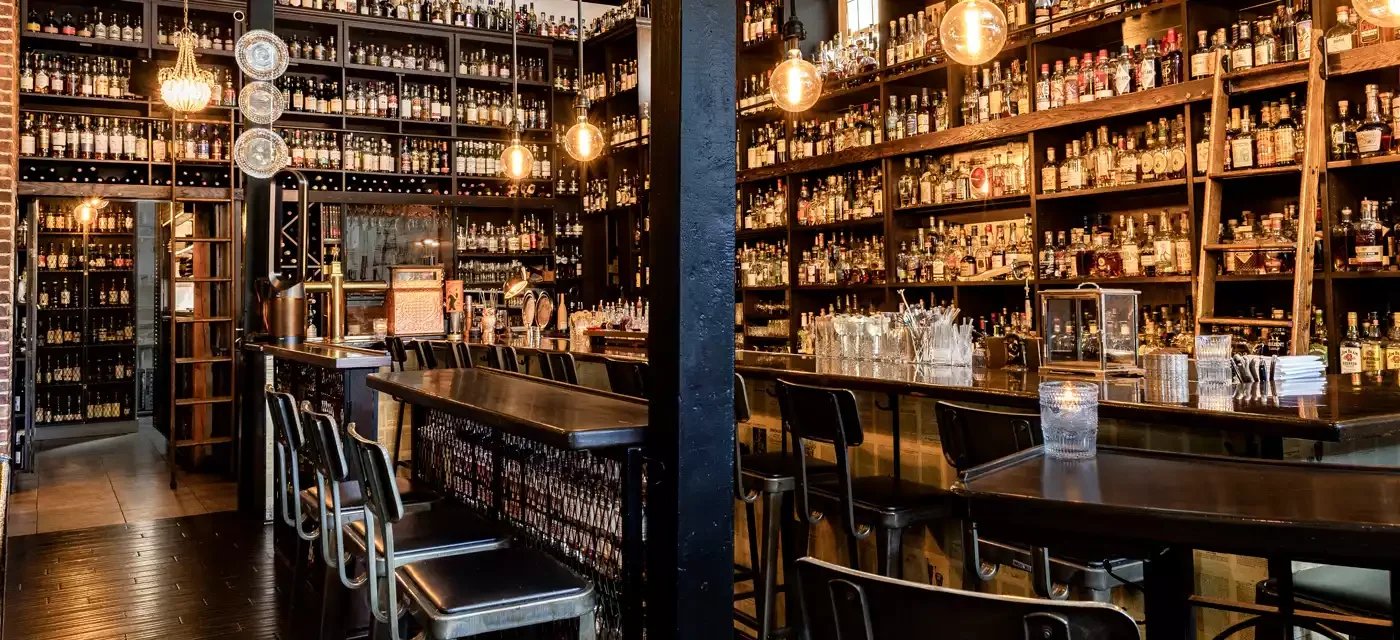
Photo of Smuggler's Cove

Smuggler's Cove

San Francisco, CA · Cocktail bar

Inebrious Beverage Program Score: 98 out of 100
Cocktails$$$

Smuggler's Cove does not merely stock rum; it makes the spirit's history navigable by the glass. More than 80 recipes move from early punches and Havana-era drinks through Caribbean traditions, mid-century exotics and present-day originals. That organization gives purpose to a list that could otherwise collapse under the weight of more than 1,400 rums. A guest can compare a stripped-back Grog with a many-part Jet Pilot, then step into the modern program through a rhum-agricole drink such as Giant Summer. Scale is matched by an unusually explicit production standard. The venue says citrus is juiced daily, modifiers are made in house, and even its eight-to-twelve-ingredient exotics are built fresh rather than batched. Prices mostly land between $16 and $20, a compact band for a program this deep. The challenge is selection, not scarcity: the menu asks drinkers to decide whether they want historical clarity, tropical abundance or a contemporary riff. Arrive with that preference and Smuggler's Cove becomes less a novelty-filled tiki room than a working archive whose documents happen to be cocktails.

Photo of Trick Dog

Trick Dog

San Francisco, CA · Cocktail bar

Inebrious Beverage Program Score: 97 out of 100
Cocktails$$$

Trick Dog's 25th menu does not merely borrow professional wrestling names; it turns ordering into part of the bit with a trifold menu shaped like a championship belt. The published drinks keep the joke from flattening the liquid. Macho Man puts Teak Sauce-infused sweet vermouth into play, Stone Cold Steve Austin takes the form of a vegetable-infused martini, and the nonalcoholic Diamond Dallas Page works thyme and lemon into an egg-white fizz. Those three anchors suggest a list willing to move from savory to aromatic to bright and foamed rather than repeat one crowd-pleasing formula sixteen times. The bar's twice-yearly rebuild can make favorites temporary, but impermanence is also the discipline: theme, vessel, names, and recipes are reconsidered together. The complete current ingredient list and prices are not published accessibly online, so this review stops short of pretending the whole belt is visible from afar.

Photo of Bar Iris

Bar Iris

San Francisco, CA · Cocktail bar

Inebrious Beverage Program Score: 97 out of 100
Cocktails$$$

Bar Iris gives potentially forbidding ingredients a remarkably clear route to the glass. Faithful Fool draws a bright line through sweet woodruff, Granny Smith apple, Calvados, and yuzu sake, while the Shochu Highball goes deliberately savory with donko shiitake, bonito, awamori, mugi genshu, and imo shochu. Hidden Trail travels another path entirely, using nasturtium, wood sorrel, bai mudan tea, mezcal, sake, and clarified milk. That range is held together by more than a Japanese pantry. Photos and flavor diagrams help decode the list, all ten originals cost $16, and most classics land at $14 or $15. Eight named alcohol-free cocktails at $14 or $15 translate much of the same botanical, tea, citrus, and savory vocabulary instead of retreating to juice and soda. The result is a deeply technical program that keeps making practical gestures toward the person ordering.

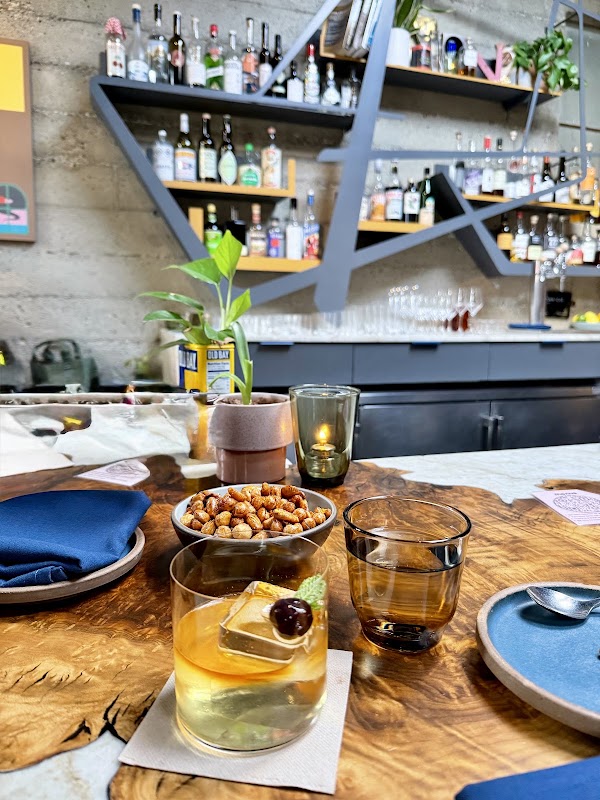
Photo of The Interval at Long Now

The Interval at Long Now

San Francisco, CA · Cocktail bar

Inebrious Beverage Program Score: 97 out of 100
Cocktails$$$

The Interval treats a cocktail list as a living archive rather than a seasonal wipe board. Its Time Capsule keeps six drinks that have become inseparable from the room: the Navy Gimlet compresses days of lime-oil infusion and filtration into a two-ingredient $16 serve, while the $16 Decanted Mother-in-Law arrives in its own apothecary bottle. Alumni recipes rotate back through Shut Up & Play the Hits, and five current bartenders receive both credit and room for personal obsessions—Black Sand folds peated Scotch into raspberry, almond, cinnamon, and lime; the tiny $10 Throughline uses barrel-aged genever, Benedictine, cider vinegar, and saline. That succession is the real Long Now idea in liquid form: preservation without freezing the program. It extends to a serious spirits cellar and the Bottle Keep, whose proprietary St. George Bristlecone Gin and single malt can be compared in a $35 tasting. The weaknesses are structural rather than cosmetic. Five wines by the glass and a short $6-$9 beer list are thoughtfully chosen but clearly supporting players, and the coffee selection is conventional beside Song's unusually well-described teas. Non-drinkers fare much better: Byway builds texture from koshihikari rice and two alcohol-free aperitifs, one of five composed Temperance drinks. Prices, authorship, method, and historical context are unusually transparent. The result is a cocktail institution still showing its work, not a museum bar living on its furniture.

Photo of True Laurel

True Laurel

San Francisco, CA · Cocktail bar

Inebrious Beverage Program Score: 97 out of 100
Cocktails$$$

True Laurel makes Northern California taste like more than a garnish. Redwood meets toasted-coconut rye, gin, vermouth, maraschino, and arak in In the Pines, Under the Palms; the Laurel Martini sharpens a two-gin frame with a vermouth blend and California bay tincture. Even the more seasonal edge of the list follows a rigorous house logic: A Lil Bark, Alot of Bite puts madrone-berry kvass beside juniper rakija and local verjus, while Sonata Highball works blue-sage tonic into junmai and Americano. The short descriptions conceal serious prep—fermentation, clarification, infusion, batching, controlled dilution—but the menu remains readable and the alcoholic drinks stay within $18-$19. This is a rare program whose technical ambition, sense of place, and practical ordering clarity reinforce one another.

Photo of The Four Horsemen

The Four Horsemen

Brooklyn, NY · Wine bar

Inebrious Beverage Program Score: 97 out of 100
Wine$$$

The Four Horsemen no longer needs natural-wine fashion to justify itself. The current 662-bottle list supplies harder proof: a $125 median, fair independent markup assessment, proper storage and stems, roughly 20-30 rotating glasses, and regional depth that permits real comparison. Loire is especially persuasive. Thomas Batardière Amor Fatì 2024 at $88 and Jean-Christophe Garnier Bézigon 2024 at $80 offer more informative drinking than a prestige bottle selected for scarcity. Champagne extends beyond familiar categories into Marie Courtin Resonance and twelve Coteaux Champenois choices; American coverage includes Floral Terranes Livingston Manor wild-apple cider, while Japan and hybrid grapes broaden the map without looking tokenistic. Cornelissen Contadino is an accessible volcanic counterpoint, and Domaine Gonon Saint-Joseph with fried skate demonstrates why the kitchen matters: fat, pepper, salt, and acid become a wine lesson. The danger is canonization. Clos Rougeard and other trophies can turn an anti-establishment list into another luxury chase, while reservation difficulty adds borrowed glamour. Let the staff choose around a grape, soil, or production question and hold the budget. The Four Horsemen remains a benchmark because curiosity survives its own success.

Photo of Grimm Artisanal Ales

Grimm Artisanal Ales

Brooklyn, NY · Brewery & taproom

Inebrious Beverage Program Score: 97 out of 100
Beer$$

Grimm Artisanal Ales now makes the strongest case for itself through range, not hype. The brewery that helped define New York's plush double IPA also maintains German pilsner, hefeweizen, shandy, stout, sour and spontaneous beer, plus a credible nonalcoholic line. Its current venue inventory reaches sixty-three draft and packaged choices. Light Cone, a 5% German pilsner with 38 IBUs, is the essential opening because its bitterness and clean fermentation expose brewing precision without fruit or adjunct cover. Weisse provides a 5.5% wheat-beer comparison, while the 3.3% What Is Love shandy and 0.5% Set You Free grapefruit-vanilla sour establish unusually useful lower-strength endpoints. Only then should the visit move toward Wavetable or an eight-percent double IPA such as Lambo Door, whose Citra, El Dorado, and Simcoe profile helped build the brewery's reputation. Grimm's deeper achievement lies in fermentation. Independent criticism has documented the range of rotating sours and useful bartender sequencing, while current first-party material explicitly includes sour and spontaneous ales among the brewery's specialties. Five New York State Brewery of the Year titles, including 2024 through 2026, support—not substitute for—the evidence on the board. The weakness is abundance. Sixty-three choices require editing, and the brewery's many hazy, fruit, and adjunct expressions can make a less deliberate tasting sweet, strong, and monotonous. Pizza upstairs makes the room more complete but also encourages a long visit in which palate fatigue becomes real. Grimm earns an elite score because few city breweries can move convincingly from pilsner and wheat through IPA, stout, mixed fermentation, nonalcoholic beer, and fresh packages under one roof. Begin with restraint, ask what spontaneous bottle is showing best, and leave the strongest IPA for last.

Photo of Cold Drinks Bar

Cold Drinks Bar

San Francisco, CA · Cocktail bar

Inebrious Beverage Program Score: 96 out of 100
Cocktails$$$

Cold Drinks Bar makes Scotch speak in the vocabulary of the kitchen below it. Sometimes Old Fashioned folds duck-fat-washed Glenmorangie X and rye into black pepper, mushroom, and two bitters; Chinese Chicken Salad turns broth, sesame paste, cucumber, and washed Japanese whisky into a highball-shaped savory course. The list can brighten, too: Silk Degrees puts coconut-washed Johnnie Walker Black against pineapple, while Smoke on the Water uses lemon, Cynar, maraschino, and lapsang tea to pull rye between tart, bitter, sweet, and smoky poles. This is not garnish-deep culinary borrowing. Washing, broth, tea, and seasoning determine structure across the menu, and a collection of over 300 whiskies gives the Scotch premise genuine depth beyond the mixed drinks. Such ambition carries a hard luxury tariff: alcoholic signatures cost $20 to $25, and the two spirit-free drinks are $18. Still, few bars integrate a restaurant pantry and a whisky obsession with this much specificity.

Photo of Pacific Cocktail Haven

Pacific Cocktail Haven

San Francisco, CA · Cocktail bar

Inebrious Beverage Program Score: 96 out of 100
Cocktails$$$

Pacific Cocktail Haven uses a base-spirit index to make a sprawling menu approachable, then threads it with flavors that turn geography into something more precise than a tropical mood board. Rice, Rice Baby brings toasted brown rice, rice milk, mango, and nori to rum; Bastani Cooler moves tequila and mezcal through saffron, pistachio, and carrot sorbet. Even a familiar template gets redirected: Leeward Negroni folds coconut-washed Campari and pandan cordial into the bitter structure. The range matters because these are not three colorways of the same drink. One leans creamy and savory, another folds dessert aromatics into agave spirits, and the third tightens the house vocabulary into a stirred classic. Highballs until 7 PM and punches for five to eight people add useful ways into the list, while three documented alcohol-free builds keep abstaining guests inside its flavor language. Individual prices are not posted on the official menu; the current 50 Best profile reports a $19 average cocktail.

Photo of Last Rites

Last Rites

San Francisco, CA · Cocktail bar

Inebrious Beverage Program Score: 96 out of 100
Cocktails$$$

Last Rites earns its drama through the liquid, not just the plane-crash setting. The $16 namesake drink folds Caribbean rums, passion fruit and lime into salted molasses plus a proprietary amaro-and-spice mixture; the important move is the bitter, saline undertow, which keeps the tropical register from collapsing into sweetness. Across eleven house cocktails, that discipline takes several forms. Permanent Midnight pushes Jamaican and Salvadorian rums toward red banana, pandan and coffee, while El Perdido turns Oaxacan rum, mushroom, Xila and house cola into a strange but intelligible highball. Emerald Eclipse uses snap-pea juice, ginger, gentian and cumin to give mezcal and aged Oaxacan rum a genuinely vegetal route. The breadth is impressive, although elaborate garnish language and long ingredient chains occasionally make the menu feel busier than the underlying drink ideas. Pricing is unusually coherent: house drinks are $16, five serious alcohol-free compositions are $14, and Caldera's Curse is a clearly marked $60 bowl for four. This is a themed bar whose best work would remain distinctive if the scenery vanished: rum-centered, technically ambitious, and willing to let bitterness, earthiness and spice do as much work as fruit.

Photo of Kona's

Kona's

San Francisco, CA · Cocktail bar

Inebrious Beverage Program Score: 96 out of 100
Cocktails$$$

Kona's builds cocktails from a pantry that rarely reads like bar garnish. Maui Gold pushes Maker's Mark bourbon through Japanese curry, banana, and yuzu; the savory spice is part of the drink's architecture, not a decorative flourish. Stable Horse goes in another direction, aging mezcal, amaro, house bitter, and sea salt in a clay pot for four weeks. Get Lost folds cantaloupe and jasmine-whey into mezcal, while the Boracay Old Fashioned recasts gin and blanc vermouth with bay leaf, coconut water, pandan, and calamansi. Those drinks show the menu at its best: culinary references become decisions about texture, aroma, dilution, and bitterness. The list is not trapped in one lush tropical register, either. American Trilogy offers a terse whiskey-and-apple-brandy counterpoint, and Stigi pares mezcal down to Suze, Italian bitter, and bitters. That range matters because it keeps the bar's global vocabulary from becoming a single sweet house style. The principal frustration is practical. Kona's publishes detailed ingredients but no individual prices, then adds a disclosed 5% surcharge, so a guest can study flavor with precision while remaining unable to judge value before ordering. Still, few current lists make Japanese curry, jasmine-whey, pandan, calamansi, and clay-pot aging feel this integrated rather than collected.

Photo of Shore Leave

Shore Leave

Boston, MA · Cocktail bar

Inebrious Beverage Program Score: 96 out of 100
CocktailsSpirits$$$

Shore Leave refuses to treat tropical drinking as a collection of sweet rum formulas. Coffee Mai Tai sharpens aged Privateer rum with acidified orange; NY Cheesecake Whiskey Sour crosses graham-cracker bourbon and cachaça with a grape-cheese foam; Crossbow pulls Indian single malt, mezcal and manzanilla into the same glass. Even the namesake cocktail grounds its passion fruit in New England rum, Jamaican rum, Madeira and molasses. Twelve originals at $16-$17 and a $24 Mai Tai flight make technical ambition unusually accessible. The spirits book supplies the scholarship behind the color. Rum occupies five of eight pages, with Martinique alone spanning unaged cane spirits, vintage bottlings and a Clément Shore Leave Barrel. Every spirit is listed as a two-ounce pour and can be halved, turning a very large catalog into a workable tasting exercise. Whisky exists as a compact counterpoint, not an equal partner. Shore Leave has announced a January 1, 2027 closing date; until then, it remains a rare bar where a whimsical menu and serious cane-spirit study strengthen rather than undermine each other.

Photo of Wild East Brewing Co.

Wild East Brewing Co.

Brooklyn, NY · Brewery & taproom

Inebrious Beverage Program Score: 96 out of 100
Beer$$

Wild East is the rare modern brewery where technical restraint feels more radical than excess. The evidence begins at the taps: Cask Marque accreditation and a staff of mostly Lukr Certified Tapsters signal that dispense is part of brewing, not an afterthought. Patience & Fortitude, a 5.1% Czech-style pilsner, gives Saaz spice and rounded cracker-like malt enough room to register. Hexenkessel, the 4.7% schwarzbier that won New York's 2026 Governor's Cup, keeps dark chocolate and roast dry, light, and drinkable rather than turning dark lager into stout cosplay. Moderance extends that discipline to English pale ale, pairing biscuit and esters with earthy bitterness. Then Gilded Petal, a saison aged fifteen months in foeder with chamomile, proves the traditionalist posture is not timidity: oak, tartness, funk, and flowers are integrated through time rather than syrup. That range is the decisive advantage. A guest can compare lager fermentation, cask-conditioned texture, American hops, and mixed culture without leaving the bar. Independent reports reinforce both consistent quality and particular strength in Czech and German lager. The room is spacious and outside food is welcome, but the rotating popup model means pairings are unreliable and the brewery itself provides only snacks. Prices and serving formats also remain less transparent online than the beer descriptions. Those are service-design deductions, not brewing failures. Order in ascending intensity and let the staff choose the correct dispense. Wild East earns an elite score because it treats low alcohol, bitterness, malt, and draft condition as serious flavor tools while still making ambitious mixed-fermentation beer.

Photo of Death & Co Los Angeles

Death & Co Los Angeles

Los Angeles, CA · Cocktail bar

Inebrious Beverage Program Score: 95 out of 100
CocktailsSpirits$$$

Death & Co Los Angeles brings the cocktail institution's East Village rigor to an intimate, seated-only Arts District room at 818 E. 3rd — the brand's third outpost — and the drinks unfold through a six-section list that runs from Light & Playful to Boozy & Honest and Rich & Comforting, ending in a real Zero Proof bench rather than a token afterthought. The signatures are named and priced with evident intent: Ghost Machine spins Empirical Cilantro rum, watermelon and habanero into a spiced, lager-finished highball, Contrabandista builds a savory Don's Mix-and-absinthe reposado, Emerald Grove turns green tea shochu, matcha and pineapple into a bright room-clearer, and Paper Wasp pushes Macallan 12 through pineapple-chamomile shochu for a denser close. Around those sits a compact but considered wine column (sparkling, white, skin-contact and red), a rotating California hazy IPA and common-ground beer, and a luxurious spirits shelf running from Yamazaki Mizunara Cask and Hibiki 30 through Hampden Great House, Fuenteseca Huerta and Mal Bien mezcal to the venue's own St. George 'D&C Cask Gin'. It is a quietly confident room where the drinks carry the evening.

Photo of The Alembic

The Alembic

San Francisco, CA · Cocktail bar

Inebrious Beverage Program Score: 95 out of 100
Cocktails$$$

The Alembic's most convincing idea is a split personality that shares one cellar. Nine $17 house drinks favor durable structures: the Brown Butter Old Fashioned washes Medley Brothers bourbon with brown butter, Our Bully builds an aromatic whiskey drink around the bar's Spirit Works barrel-select rye, and the Black Manhattan gives its Pinhook barrel-select bourbon an amaro frame. Eight $18 seasonal drinks take the larger risks. Jade Garden #2 puts aged rum, pineapple, Chinese hot mustard, red bell pepper, citrus, and a coconut-milk wash into one build; Night Market's gin, cucumber-lemongrass shrub, and Thai chile is a leaner route through the same savory instinct. That division makes the list easier to navigate without reducing it to safe versus strange. The deep spirits pages matter because the barrel selections are not decorative claims: guests can compare them as pours before seeing how the cocktails deploy them. There is some repetition in the seasonal section—fruit, citrus, and culinary modifiers can crowd one another—and the frozen rum drink adds breadth more than precision. Still, transparent $17-$18 pricing, broad base-spirit coverage, credible classics, and real cellar integration make this a destination program rather than a legacy address coasting on history.

Photo of Forbidden Island

Forbidden Island

Alameda, CA · Cocktail bar

Inebrious Beverage Program Score: 95 out of 100
Cocktails$$$

Forbidden Island understands that tropical cocktails need architecture more than excess. Its menu may arrive dressed in banana, coconut, pineapple, spice, and theatrical bowls, but the liquid decisions underneath are exacting: citrus is juiced in house daily, orgeat and fassionola are made behind the scenes, and rum is treated as a set of distinct tools rather than a single sweet base. The recently revised Classic Mai Tai leans harder into Jamaican character, sharpening a drink built from lime, house orgeat, and curacao. Bombo takes the opposite route, letting an exclusive 14-year cask-strength rum barrel speak with little more than brown sugar and nutmeg. The Red Sky Swizzle brings agricole rhum, California poppy amaro, Peychaud's bitters, and citrus into a leaner, bitter register. Even the menu's organization is useful: coconut-rich drinks, fruit-driven builds, bitter and spiced options, rum-less cocktails, and shared formats signal the sensory destination before a guest orders. Some creations still pile on several sweet and fruit components, so restraint is not universal. Yet the breadth has a governing idea. This is a tiki bar where exuberance is supported by fresh acid, deliberate rum selection, and enough bitter or spicy counterweight to keep the island from turning into a sugar fog.

Photo of Trillium - Canton

Trillium - Canton

Canton, MA · Brewery & taproom

Inebrious Beverage Program Score: 95 out of 100
Beer$$

Trillium Canton is most persuasive when the cold case and cellar are read together. Tipico Italian Pilsner and Sprang, a Nelson Sauvin-dosed Kölsch-inspired ale, sit at $16.20 and $17.20 per four-pack. The Common and The Fens cover the expected aromatic IPA ground at $19.20, while Twice the Daily Serving: Raspberry pushes Berliner weisse into a dense 7% fruit beer at $24.20. That retail shelf alone would be broad; the bottles make it unusually deep. Saison du Row uses open fermentation, Lineage Wheat ages an American wild saison in oak, and Habitat carries native mixed-culture fermentation through unfruited, berry and Concord-grape releases. Then the cellar climbs into imperial stout and Maillard, a 15.4% double-barrel-aged barleywine made with Side Project. Prices stretch from $6.05 for small saison and wild-ale bottles to $28.05 for Maillard. The caveat is excess: cacao, vanilla, coffee, coconut and nut-driven imperial stouts occupy a disproportionate share of inventory. Still, few brewery campuses make crisp lager, hop-forward cans, farmhouse fermentation, spontaneous fruit beer and heavyweight collaboration bottles this easy to compare in one stop.

Photo of Jack's Abby Craft Lagers

Jack's Abby Craft Lagers

Framingham, MA · Brewery & taproom

Inebrious Beverage Program Score: 95 out of 100
Beer$$

Jack's Abby uses the Framingham Beer Hall to argue that lager is not a category but a method with enormous expressive range. The April 2026 menu lists 21 lager-based beers. House Lager begins with decoction-mashed, naturally carbonated helles; Bohemian Dawn and Dusk split Czech lager into pale and dark readings; Smoke & Dagger folds smoked and roasted Bavarian malt into a 5.6% black lager. Honey, rice, wheat, citrus, American hops and New Zealand hops extend the vocabulary without abandoning cold fermentation. Service makes those distinctions easier to read. Modern Pils receives a three-to-five-minute slow pour for a large head. Most beers offer an 8-ounce option, and a $12 flight buys four 4-ounce pours. Full servings shrink from 16 ounces for 3.8% Banner City to 10 ounces for 8.5% Kiwi Rising and the 10%-12% Framinghammer pair. Core lagers cost $7, while the more specialized set generally costs $9. That combination of range, transparent pricing and alcohol-aware portions is exceptional. The only real evidence limitation is recency: the detailed menu is dated April, so individual seasonal taps may have moved. The Beer Hall's current catalog and exclusives remain active, however, and no other local program makes lager comparison this complete.

Photo of Threes Brewing Gowanus

Threes Brewing Gowanus

Brooklyn, NY · Brewery & taproom

Inebrious Beverage Program Score: 95 out of 100
Beer$$

Threes Gowanus is a brewpub with the rare confidence to make small pours as important as full pints. Its July 2026 board lists eighteen taps and usually offers 5-, 10-, and 16-ounce formats, turning breadth into a usable comparison rather than an invitation to overdrink. Vliet remains the reference point: a 5.2% pilsner whose sweet hay, herbal hops, and clean structure cost $4, $6, or $8 depending on size. The cellar then supplies real contrast. Passing Time, a 4.5% grisette aged nine months, brings wheat, citrus, dry funk, and a $5 five-ounce entry. Wandering Bine uses foeder fermentation for tannin, fruit, and a bone-dry finish, while Synapses Bloom takes saison through wine barrels, rose petals, and pink peppercorn without confusing adornment with sugar. Modern hop beer is present, too, from the clean bitterness of All Or Nothing to Logical Conclusion's softer Citra-Simcoe-Mosaic profile. This is a broader argument about beer than most taprooms attempt. Current guest selections, wine, and cocktails prevent the room from becoming a compulsory brewery seminar, and the kitchen plus all-season yard make it viable for groups. The deductions are editorial. Foeder Vliet, Pacific Vliet, Petite Vliet, and standard Vliet can turn one successful chassis into too much of the board, while events and weekend volume can make careful service secondary. Still, transparent prices, calibrated pours, fresh house beer, and credible mixed-culture work are a formidable combination. Begin with plain Vliet before its variations, then use the smallest pours to test the cellar. Threes earns an elite score because it makes technical comparison easy without sacrificing the pleasures of a neighborhood bar.

Photo of Finback Brewery Brooklyn

Finback Brewery Brooklyn

Brooklyn, NY · Brewery & taproom

Inebrious Beverage Program Score: 95 out of 100
Beer$$

Finback's Brooklyn taproom is most revealing when the tasting begins outside the brewery's hazy-IPA fame. Crispy Morning, a 5.2% pilsner dry-hopped with Tettnanger, Hallertau Blanc, and Citra, supplies a bright, aromatic baseline. The plainly named Finback IPA then demonstrates the other side of the brewery's hop work: Chinook, Columbus, and Cascade, 6.8% alcohol, and 70 IBUs make it a modern West Coast beer with actual bitterness. Only after those should Rolling in Clouds enter, its 7.1% soft, hazy profile showing why Finback remains a New York reference point for the style. The program has more breadth than that comparison suggests. Double Sess is a 4.8% witbier brewed with Szechuan peppercorn and ginger; Latte layers coffee, coconut, and cardamom into a 7% stout. Independent taproom evidence extends the range to mixed-culture sour beer, Brett farmhouse ale, lager, and barrel-aged imperial stout. Brooklyn also adds cocktails based on in-house HALFTONE gin and botanical spirits, a genuine distinction from a brewery satellite even though beer remains the reason to visit. Current professional criticism confirms that Finback's hazy IPA work still merits attention, while recent visitor reporting finds the beer selection strong but service less consistent. The structural weakness is familiar: numerous double and triple IPAs can turn a broad board into a high-alcohol hop session if the guest does not self-edit. Fruit, coconut, lactose, and adjunct stout also reward restraint. Finback earns an elite score for hop fluency across coasts, credible lager, fermentation range, spice-led wheat beer, dark beer, and distilling under one roof. Build contrast—pilsner, bitter IPA, mixed culture, then haze—instead of ordering three escalating versions of the same idea.

Photo of HOMES Brewery - Brewpub

HOMES Brewery - Brewpub

Ann Arbor, MI · Brewery & taproom

Inebrious Beverage Program Score: 94 out of 100
CocktailsSpiritsBeer$$

Coolship Framboise is the headline bottle, a 9.8% mixed-culture sour fermented in French red wine barrels and refermented on raspberries. The cocktail side stays simple with two low-ABV canned vodka spritzers, Cinch Orange Tango and Cinch Transfusion, sold as 4-packs. Customers describe the beer as top-notch.

Photo of Industry Brewing Co.

Industry Brewing Co.

Peoria, IL · Restaurant

Inebrious Beverage Program Score: 94 out of 100
CocktailsSpiritsBeer$$

Industry Brewing Co. Puts beer first, and the tap list backs it up: twelve house-brewed styles from Kölsch and hefeweizen to West Coast IPA, Mexican lager, fruited sour, and dill pickle gose. Rotating taproom-exclusive beers, sours, and haze variants keep the lineup moving, while crowlers sealed on-site let you take any beer home. A house-made non-alcoholic root beer rounds out the options.

Photo of Flavour Kitchen And Wine Bar

Flavour Kitchen And Wine Bar

Cocoa Beach, FL · Wine bar

Inebrious Beverage Program Score: 94 out of 100
CocktailsSpiritsWine$$

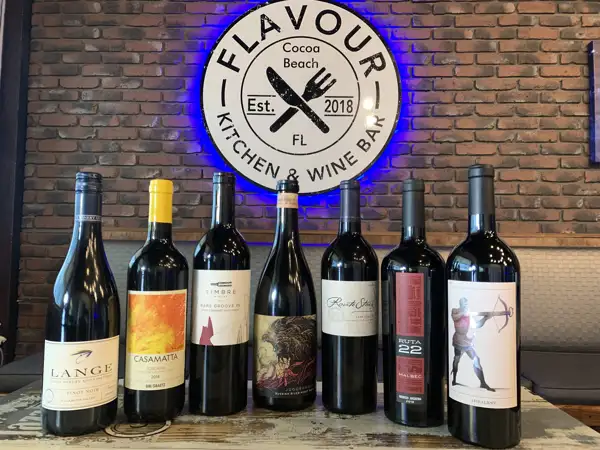
The wine program at Flavour Kitchen And Wine Bar spans France, Spain, Italy, California, New Zealand, Austria, Portugal, Australia, Greece, and Argentina. Named bottles include Vie Vite Rose, Collet Brut Champagne, Honig Sauvignon Blanc, DeLoach Pinot Noir, and Tenute Fiorebelli Amarone. Dessert pours Warre's Otima 10 year old Tawny Port and El Candado PX Sherry close the list. Happy Hour half price wines make the breadth easier to explore.

Photo of Meier's Creek Brewing Company

Meier's Creek Brewing Company

Cazenovia, NY · Brewery & taproom

Inebrious Beverage Program Score: 94 out of 100
CocktailsSpiritsBeer$$

Meier's Creek Brewing Company operates a farm brewery with 16 taps and a second taproom in Inner Harbor with 24 taps. The beer archive spans New England IPA, pilsner, sour, lager, porter, stout, wheat, blonde, gose, and kölsch, with ABVs from 0% to 12%. The Summit Series rotates New England IPAs named for Adirondack High Peaks, including Gray and Dix. Floatin' On By is the flagship pilsner.

Photo of Soby's

Soby's

Greenville, SC · Restaurant

Inebrious Beverage Program Score: 94 out of 100
CocktailsSpirits$$

Soby's pairs a Wine Spectator Grand Award-winning list of 4,000 selections and 17,000 bottles with a dedicated cocktail program that leans on local spirits and seasonal mixers. The underground cellar seats twelve, and large formats reach $12,000. Cocktails like the Soby's Signature Old Fashioned and The Lady Diana show range, while a named mocktail list covers non-drinkers. This is a serious wine destination with a capable bar behind it.

Photo of Canlis

Canlis

Seattle, WA · Restaurant

Inebrious Beverage Program Score: 94 out of 100
CocktailsSpirits$$

Canlis's beverage program is anchored by a deep, award-winning wine list led by Wine Director Ally Lanoue. The list spans France, Germany, Austria, Australia, Italy, Spain, and the US, with notable Riesling, Chardonnay, Pinot Noir, and Cabernet. By-the-glass options start at $20, pairings at $200. Beer and NA choices are limited but include local collaborations and solid NA beers. Guests praise the wine selection as distinctive and thoughtful.

Photo of Kumiko

Kumiko

Chicago, IL · Cocktail bar

Inebrious Beverage Program Score: 94 out of 100
CocktailsSpirits$$$

Kumiko's beverage program is a masterclass in Japanese-inspired cocktails and spirits. Signature drinks like the Cloud Hopper and Hi showcase precise technique, while the Whisky Bar boasts an extensive selection of Yamazaki, Hakushu, and Ichiro's Malt. A dedicated spiritfree menu and bottled Martini from James Beard winner Julia Momosé round out a program that is both innovative and deeply rooted in tradition.

Photo of Mírate

Mírate

Los Angeles, CA · Cocktail bar

Inebrious Beverage Program Score: 94 out of 100
CocktailsSpirits$$$

Mírate, a Mexican restaurant and bar on North Vermont where Los Feliz shades into East Hollywood, treats the drink as the load-bearing wall of the room, and its cocktails read like the kitchen's pantry run through a blender and a cask instead of the usual composed-to-the-chef list. El Taquero #2 folds a spiced-gold-rush of pineapple and al pastor honey around asiento y tostada-washed Mal Bien x Mírate espadín with Oaxacan pineapple brandy and Alma Tepec; El Güero pushes the margarita toward an aguachile, building on a nopales granita, coconut and an avocado-washed Don Fulano Fuerte; El Pulquero rebuilds a Gibson from destilado de pulque, pulque vinegar and pulque onions. The backbar is stocked through the venue's own bottling collaborations — Mal Bien x Mírate espadín, the Alambrique Serrano x Mírate rum blend and cask #6, El Tesoro x Mírate reposado and Tromba x Mírate tequila, plus a Satvrnal x Mírate lacto gin — which gives the program a hand in what arrives with each pour. A full margarita bench, a trio of slushies that includes a rum-plus-mezcal two-part build, a clarified coconut milk punch, and low-proof ancestral drinks like nitro pulque and tepache round out a category that has something for a first date and a mezcal obsessive in the same visit. The spirits side leans on the same Mexico-only sourcing — espadín and bacanora, destilado de pulque, a sotol crema, Xtabentún and a Mexican junmai from Sinaloa — and effectively doubles as the raw material for almost every cocktail on the page.

Photo of Seven Grand

Seven Grand

Los Angeles, CA · Cocktail bar

Inebrious Beverage Program Score: 94 out of 100
Spirits$$$

Seven Grand is the original downtown Los Angeles whiskey bar, open on the Seventh & Grand corner since 2007 and now part of the Pouring with Heart group, and it carries its whiskey-first identity into the current era with a full backbar published as a dedicated 'Whiskey Bible 2024/25.' The signature drink program is built almost entirely around whiskey — a Suntory Toki Japanese Highball, a bonded-bourbon Whiskey Sour, a Manhattan, a Sazerac, a Penicillin, an Irish Coffee — alongside a supporting cocktail bench that shows off the same spirits shelf, from an aged-Fernet and aquafaba Tiger Tail on Japanese whiskey to a Scotch, red-vermouth 4th Regiment with celery bitters. A Whiskey Society membership program, a secret back room specializing in Japanese whisky, and a full cigar list priced to match the pours round out a spirits program that feels both historical and alive.

Photo of Ghost Town Brewing - West Oakland Brewery & Taproom
Inebrious Beverage Program Score: 94 out of 100
Beer$$

Ghost Town's West Oakland board treats range as an ordering tool, not a bragging right. Twenty-two current selections begin with Scumbag, a 4.6% cream ale priced at an almost confrontational $2 for eight ounces and $3 for sixteen, then move through Geisterfaust pilsner, Bledá Smrt Czech Pils, Soft Static light lager, Helles Awaits, and Low God West Coast pils. That is five distinct lager-or-pils routes before the IPAs take control. The hop side remains substantial: Inhume, Sardonic, Malevolent, Hexed, and Loathsome cover West Coast IPA; Gloomfang and Vile Beast handle haze; Full Collapse raises the stakes to an 8.5% double IPA. Yet the list keeps opening new doors. Ossuary is a robust porter, Blood Orchard a 7.2% Oud Bruin, Feral Bloom a Saison, and Queenless a 15.8% imperial stout. Spectral Springs hop water supplies a genuine 0% pause at $3 whether ordered as eight or sixteen ounces. Prices and formats are published with rare precision: most standard sixteen-ounce beers cost $7 or $8, four-packs run $10 to $24, crowlers $6 to $20, growlers $20 to $25, and Blood Orchard is available as a $12 bottle. The supporting archive is even more revealing. “The Hoard” holds 485 beers and lets drinkers filter by style, ABV band, twelve named hops, and barrel aging; upcoming August 21 releases already disclose styles, strengths, and hop bills. That infrastructure turns constant release churn into something a guest can actually navigate. Rotating food trucks keep the West Oakland room flexible, but the beverage program is the organizing force. Ghost Town lands just below Classic because this is documentary evidence rather than a firsthand assessment of condition and service. On public evidence, however, few brewery lists make breadth, value, and technical detail this easy to use.

Photo of Comstock Saloon

Comstock Saloon

San Francisco, CA · Restaurant

Inebrious Beverage Program Score: 94 out of 100
Cocktails$$$

Comstock Saloon understands that a historic room does not need a costume-drama cocktail list. Its nine named drinks mostly keep to durable forms—South Side, Sazerac, Martinez, Blood and Sand, Brooklyn—then make the departures count. Jonny's Martini is the sharpest: Ford's Gin and Manzanilla sherry are pulled into a savory line by Chartreuse Elixir Vegetal and Maldon sea salt. The Pisco Punch keeps pineapple gum and its coyly listed ‘secrets,’ a house signature with roots deeper than the present craft-cocktail cycle. A $17 Barkeep's Whimsy leaves space for judgment without turning the entire menu into a guessing game. Regular prices of $15 to $19 are fair for this level of intent, and the daily 4-to-6 happy hour is exceptional value: a Manhattan or Pimm's Cup costs $9, as do two concrete boilermaker combinations. The narrowness is real. Drinkers seeking a parade of new techniques or a sprawling seasonal concept will find more ambition elsewhere, and much rests on classics rather than original recipes. Yet the edit is coherent, the price ladder is transparent, and the food menu—from oysters with Manzanilla mignonette to chicken liver mousse—actually gives these drinks useful company. Comstock's achievement is restraint: it lets a saloon behave like a saloon while proving that familiar drinks can still carry a point of view.

Photo of Casements Bar

Casements Bar

San Francisco, CA · Cocktail bar

Inebrious Beverage Program Score: 94 out of 100
Cocktails$$$

Casements makes Irishness do more than decorate the room. Its 2026 cocktail menu draws on Irish language, landscape, and the writing of Manchan Magan, then translates those references through California produce and a deliberately compact technical vocabulary. Co-owner Gillian Fitzgerald describes a collaborative testing process built around clarity and balance, with one strange drink intentionally surviving each edit. That small act of mischief matters: it prevents cultural specificity from hardening into reverence. Earlier drinks show the underlying method—Ode to Orleans put Powers whiskey beside Irish cream and San Francisco cold brew, while Peas for Bees pushed mezcal through strawberry and a pea shrub—but those are historical markers, not promises about tonight's list. The official site confirms a current menu and extensive whiskey focus yet leaves the QR-linked cocktail details unreadable online. Judge the present program, then, by its unusually coherent brief: contemporary Irish memory expressed with Bay Area ingredients, without shamrock theater or unnecessary laboratory tricks.

Photo of Bar Shiru

Bar Shiru

Oakland, CA · Cocktail bar

Inebrious Beverage Program Score: 94 out of 100
Cocktails$$$

Bar Shiru understands that a listening bar needs drinks with dynamics, not cocktails shouting over the records. The recent menu moves between three useful registers: $12 highballs, $15 classics with a house inflection, and $16 originals. Actual Proof gives Toki Japanese whisky an aromatic frame of yellow Chartreuse, dry vermouth, lemon, and pandan. Spring Rain is stranger and brighter, putting snap-pea gin beside Lillet, guava, Bitter Bianco, absinthe, and bitters. Spellbinder goes low and resonant with Oaxacan rum, Iwai 45, banana liqueur, Benedictine, and bitters, while the Freezer Martini pares everything back to Junipero gin, dry vermouth, shio koji, and olives. That range matters because the room asks guests to hear albums in their entirety; a clean highball can hold the background during a side, then a denser original can claim attention between records. The Japanese-whisky thread is present without becoming a costume, and the cocktail list is concise enough to remain legible. Recent menu evidence is a guest photograph rather than an official upload, so confirm availability and prices, but the documented program has rare agreement between how the bar listens and how it mixes.

Photo of Dorchester Brewing Company

Dorchester Brewing Company

Boston, MA · Brewery & taproom

Inebrious Beverage Program Score: 94 out of 100
Beer$$

Dorchester Brewing Company's current board treats lager as a full program, not a palate-cleansing footnote. Kilduff's Lager is the clearest proof: the 4.4% smoked lager comes from a side pull as a $5 foam-heavy Mlíko, $9 Šnyt or $11.50 Hladinka. Brewnited States drops to 3.7% and offers a one-liter pour; Daddy Lite is a 4.5% light lager; Crisp Intentions supplies German pilsner snap; and Bock To the Future rises to a 6% maibock. Those beers vary strength, malt, smoke and dispense before the tap list even reaches ale. The rest of the 19-item beer-for-here list is almost as broad. Galaxy Lights, Rooftop Haze and Outer Limits cover session through standard New England IPA, while Dot Ave Dank moves into 8.1% West Coast double IPA. Abby is a 10.2% Belgian tripel; Bee's Knees is honey beer; Watermelon Crawl and New Moon split fruit wheat from American wheat; Punchbowl and Stranger Tangs handle sour; Cobblestone is Boston dry stout; and Draft Monkey puts banana cream ale on nitro. Most 13-ounce pours cost $9-$11.50 and most 16-ounce pours $9.75-$13.50, though Abby reaches $15.50. M&M BBQ makes the beer useful at the table. The prices are ambitious, but transparent formats, side-pull detail and genuine stylistic range put this among Boston's strongest brewery tap lists.

Photo of True North Ale Company

True North Ale Company

Ipswich, MA · Brewery & taproom

Inebrious Beverage Program Score: 94 out of 100
Beer$$

True North Ale Company has enough IPA to look predictable at first glance, then keeps opening side doors. Its current beer list moves from Cerveza and Cerveza Negra to Stammtisch German Pils, Kobayashi Japanese Rice Lager, Vincianne Belgian Blonde and Fassgold Kölsch. Cowboy Tears brings American cream ale, while Turning Violet pairs blueberry with Meyer lemon and Any Tang Gose takes the sour lane toward tangerine. Six IPA variations remain a large block, but even there Mango Coast, a flaked-rice session IPA and Coast To Coast's summer framing prevent one hazy recipe from doing all the work. The taproom turns that range into an unusually inspectable production story. Twenty taps serve 4-ounce samplers, flights and full pours beside windows onto 30- and 5-barrel brewhouses and the canning line. The larger system carries core volume; limited Explorer releases stay exclusive to Ipswich. Behind them, the brewery documents yeast-cell measurement, sensory panels, water-ion testing and counter-pressure packaging to control dissolved oxygen. Three Deschutes nonalcoholic choices cover IPA, porter and golden ale, though none is brewed in house. Prices are not public. The result is a broad list whose most distinctive feature is not novelty alone, but the visible quality system underneath it.

Photo of Fifth Hammer Brewing

Fifth Hammer Brewing

Long Island City, NY · Brewery & taproom

Inebrious Beverage Program Score: 94 out of 100
Beer$$

Fifth Hammer's most important tap is the quietest one. Paddy Neverpat, a 5.2% pale ale served with low carbonation from cask, costs $4 for a five-ounce taste or $8.50 for a proper 20-ounce pour. That format shows a brewery willing to treat texture and service as seriously as recipe. Pentatonic Pilsner supplies the clean baseline at 4.8%, while Suntrippin' demonstrates a drier American counterpoint through Cascade, Centennial, Comet, grapefruit, and a snappy finish. The current list then stretches into Belgian fermentation: Cuvee 2025 is a 9.3% bottle-conditioned strong ale with Brettanomyces, available in 375 or 500 mL rather than an irresponsible draft pint. That is meaningful breadth. Five-ounce tasters cost $4 across most house beer, allowing cask, lager, IPA, sour, and Belgian styles to be compared without surrendering the evening. The weakness is the fruit section. Neon Flamingo is described as raspberry-key-lime sorbet, and Poglodyte promises tropical sweetness; Raspberry Ballet has more structure from gose salinity, hibiscus, and pomegranate, but the language still oversells refreshment. Independent drinkers consistently praise the brewery's diversity and cask, lager, farmhouse, and barrel work, while recent on-site reporting confirms good draft condition and packaged options. Transparent sizes and prices are unusually strong. Food depends on rotating vendors or outside meals, and live music can overwhelm detailed conversation. Even so, Fifth Hammer is more than a friendly warehouse taproom. It earns an elite score by supporting novelty with cask tradition, Brett fermentation, dry alternatives, and serving formats chosen for the beer rather than operational sameness.

Photo of Covenhoven

Covenhoven

Brooklyn, NY · Brewery & taproom

Inebrious Beverage Program Score: 94 out of 100
Beer$$

Covenhoven succeeds by making a serious beer list behave like a neighborhood amenity. The current sixteen taps do not chase a single fashion. Clean Sheet, Wild East's 4.5% pale ale with 45 IBUs, gives the board a dry, bitter foundation. Moments from The Seed is an ordinary bitter at the same moderate strength, while Dutchess Ales Urbier brings the uncommon rotbier category at 5.2% and 28 IBUs. Forest & Main contributes New Zealand pilsner; Endless Life's Cottage Core supplies saison; two ciders broaden fermentation beyond grain. The board's most ambitious pour is Abbaye de Saint Bon-Chien Grand Cru 2022, an 11% Swiss sour matured in Sangiovese barrel. That beer deserves a small, shared pour before the list reaches KCBC's 14.5% Year Five imperial stout. This range is not merely broad; it moves between bitterness, malt, yeast, acid, fruit, and alcohol with useful intermediate strengths. The refrigerators add packaged beer for drinking in or taking home, and independent accounts consistently praise the cheese, baguette, grilled sandwiches, pretzels, and backyard as reasons to stay. A build-your-own cheese plate is especially intelligent because it adapts to lager, farmhouse beer, or mature sour without requiring a full restaurant. The weaknesses are operational rather than conceptual. The narrow interior crowds quickly, service warmth varies, and recent reports raise concerns about noise and backyard upkeep after dark. Pricing is not reliably published on the current board, so rare bottles and strong drafts require confirmation. Covenhoven earns a high score for selection, package depth, food compatibility, and a relaxed local identity. Go early, start with bitter or rotbier, use cheese as the bridge, and split the mature sour instead of treating imperial stout as mandatory.

Photo of Entre Nous

Entre Nous

Brooklyn, NY · Wine bar

Inebrious Beverage Program Score: 94 out of 100
Wine$$$

Entre Nous looks like an intimate neighborhood wine bar and carries the cellar of a much larger restaurant. The current index counts 497 wines, including 54 sparkling bottles and enough depth in Loire, Burgundy, Jura, and Rhône to build comparisons rather than chase isolated cult labels. Champagne spans a useful ladder: modest alternative fizz begins near $70-$80, Vouette et Sorbée offers grower precision at $225, and Jacques Selosse reaches $1,300. That last bottle proves access, not value. The smarter evidence sits lower down: Bernard Baudry Les Grézeaux 2022 at $75, Thomas Batardière Amor Fati at $85, or Domaine Belluard Monsieur Gringet at $130. Clos Rougeard Le Poyeux shows the cellar can reach rare mature Loire, but it need not define the evening. The Fradei sibling relationship matters because French small plates, raw-bar bites, and charcuterie give the list a culinary frame. Average bottle cost is still substantial, and the romantic room can make an unplanned splurge feel frictionless. Ask for three options at one price before choosing. Entre Nous earns its name when a bottle becomes shared conversation, not social proof.

Photo of Travel Bar

Travel Bar

Brooklyn, NY · Cocktail bar

Inebrious Beverage Program Score: 94 out of 100
CocktailsSpirits$$$

Travel Bar is a whiskey library that keeps writing marginalia in the glass. Indian Old Fashioned puts tamarind liqueur and herbal honey bitters around Paul John single malt, allowing Indian whisky's grain and fruit to remain the subject. Peach Old Fashioned uses a barrel-strength New Riff rye, cherry syrup, and peach bitters as a clearer lesson in proof and fruit. Even the highballs specify the bottle—Bushmills 10, Bruichladdich Classic Laddie, smoky Japanese malt—rather than hiding behind a house rail. The deeper reason to visit is the shelf work: roughly 450 whiskies, one- and two-ounce pricing, private barrels from Russell's Reserve, Willett, and 1792, and verticals that disclose age, proof, batch, and finish. A 2026 calendar of Found North batches, Jimmy Red whiskey, independent bottlers, and blind flights proves that education is continuous rather than marketing copy. The risk is sprawl. Repeated Old Fashioned, Manhattan, and rare-bourbon options need a bartender to become a progression rather than a shopping list. Ask for a controlled comparison; this neighborhood bar can teach more in three ounces than many formal tasting rooms.

Photo of The North House

The North House

Avon, CT · Restaurant

Inebrious Beverage Program Score: 94 out of 100
WineBeerSpirits$$$

The North House runs three serious beverage programs without forcing them into one personality. Wine is the grandest: the 28-page bottle book moves from half-bottles and orange wine to large formats, mature Napa and deep European sections. Benoit Lahaye Grand Cru Champagne sits alongside older domestic trophies, including 1997 Far Niente Estate Cabernet. That cellar rewards knowledge and a table willing to buy bottles; the printed caveat that vintages and stock vary is essential when so many listings are mature. Whiskey nearly matches the cellar's ambition. Rye, American whiskey, regionally divided Scotch, Japanese whisky, rum and agave spirits all carry individual prices. WhistlePig Boss Hog and Balvenie 30 Year mark the ceiling, but the list also makes room for inexpensive standards and Connecticut distillers. Beer supplies the useful counterweight. The venue's embedded inventory was updated yesterday and counted 24 taps, with proper smaller pours for several high-strength beers. Dogfish Head World Wide Stout 2016, Kent Falls Superscript and Transcend Citracalifragilisticexpialidocious show a draft board more curious than a typical fine-dining afterthought. The program's limitation is logistical rather than conceptual: its greatest wine experiences demand bottle commitment, and the whiskey document is older than the live beer and wine materials.

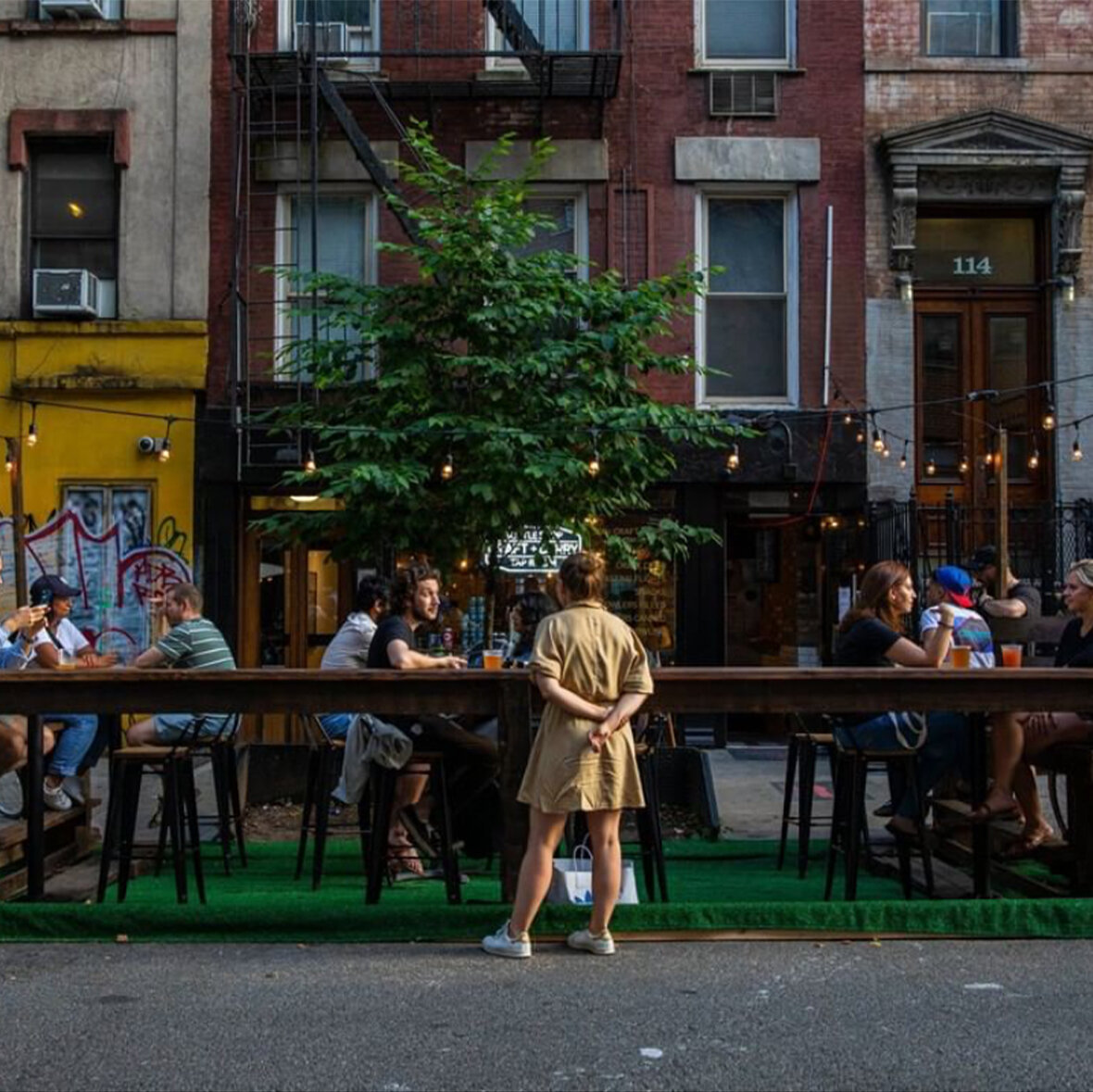
Photo of Craft+Carry Hell’s Kitchen

Craft+Carry Hell’s Kitchen

New York, NY · Bar

Inebrious Beverage Program Score: 93 out of 100
CocktailsSpirits$$

Craft+Carry Hell’s Kitchen runs a deep beer program: 300+ beers, ciders, and hard seltzers to stay or to-go, with crowlers and growlers poured from the taps. The fridges carry dozens of styles and the venue works directly with dozens of local independent breweries, receiving new brews weekly. Named cans include Sloop Juice Bomb, Grimm Afterimage, and Interboro DDH 2XIPA. Staff are supported toward Cicerone Certification and are knowledgeable about beer. The largest craft beer loyalty program City earns Bottlecaps per dollar spent. A recent customer account describes the house beer as on point.

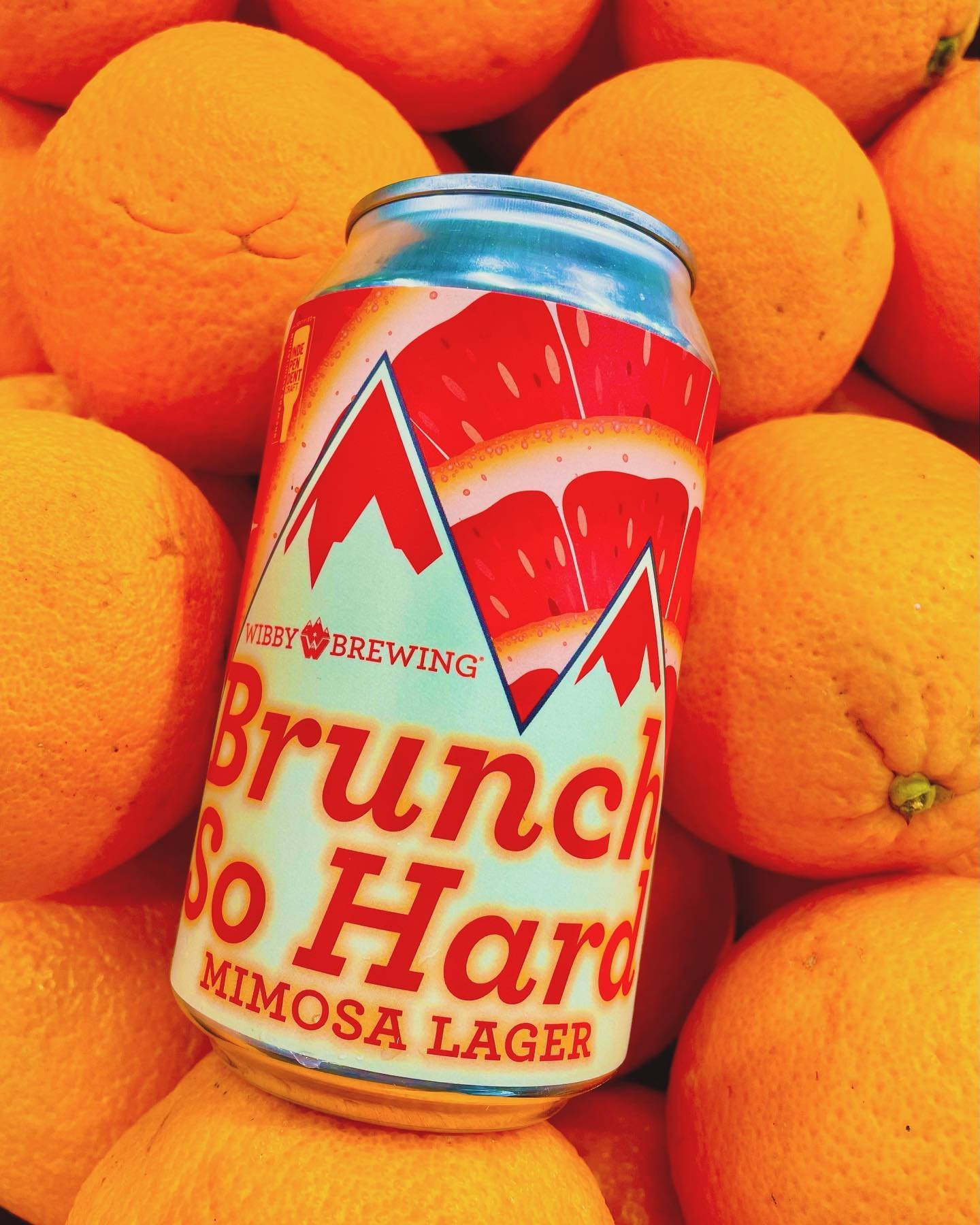
Photo of Wibby Brewing

Wibby Brewing

Longmont, CO · Brewery & taproom

Inebrious Beverage Program Score: 93 out of 100
CocktailsSpiritsBeer$$

Wibby Brewing builds its taproom around modern, traditional, and specialty lagers, with a draft list that runs from year-round to seasonal and rotational. The program has the hardware to back it up: GABF Brewery & Brewer of the Year honors, gold medals for Wibby Jibby and Volksbier Vienna, and Grand Gold for Lightshine Helles. Volksbier Vienna also earned a 100-point rating from Wine Enthusiast.

Photo of Frasca | Food & Wine

Frasca | Food & Wine

Boulder, CO · Wine bar

Inebrious Beverage Program Score: 93 out of 100
CocktailsSpiritsWine$$

A Friuli-focused wine program with real depth by the glass, including Tajut half-glass pours from $6 to $28 and full glasses to $56. Pairings for the Quattro Piatti menu are curated by Wine Director Carlin Karr and Lead Sommelier Jeremy Schwartz. Cocktails run $18–$35 with premium spirit calls, and the spirits list reaches from Fortaleza Añejo to Highland Park 25 Year alongside vintage 1970s amari.

Photo of The Greenbriar Inn

The Greenbriar Inn

Boulder, CO · Wine bar

Inebrious Beverage Program Score: 93 out of 100
CocktailsSpiritsWine$$

A 750-plus-selection cellar groomed beneath the dining room since 1967 anchors this program, and it has held a Wine Spectator Best of Award of Excellence for 26 consecutive years. Eleven craft cocktails run $14 to $21, with non-alcoholic versions of several available using Seedlip Spirit. Six Colorado drafts, a full spirits and digestifs section, and a by-the-glass list from $12 to $20 round out the offering.

Avenue Bar

Anchorage, AK · Cocktail bar

Inebrious Beverage Program Score: 93 out of 100
CocktailsSpirits$$

Avenue Bar pairs a massive whiskey and spirits list with an in-house cocktail education program called Alaska Cocktail College. The draft and bottle beer selection runs from local Alaskan brews to imports, and non-alcoholic beer options are stocked. Wine leans heavily on boxed and basic sparkling options. The spirits inventory, especially whiskey, is the main draw.

Photo of Third Window Brewing Santa Barbara

Third Window Brewing Santa Barbara

Santa Barbara, CA · Brewery & taproom

Inebrious Beverage Program Score: 93 out of 100
CocktailsSpiritsBeer$$

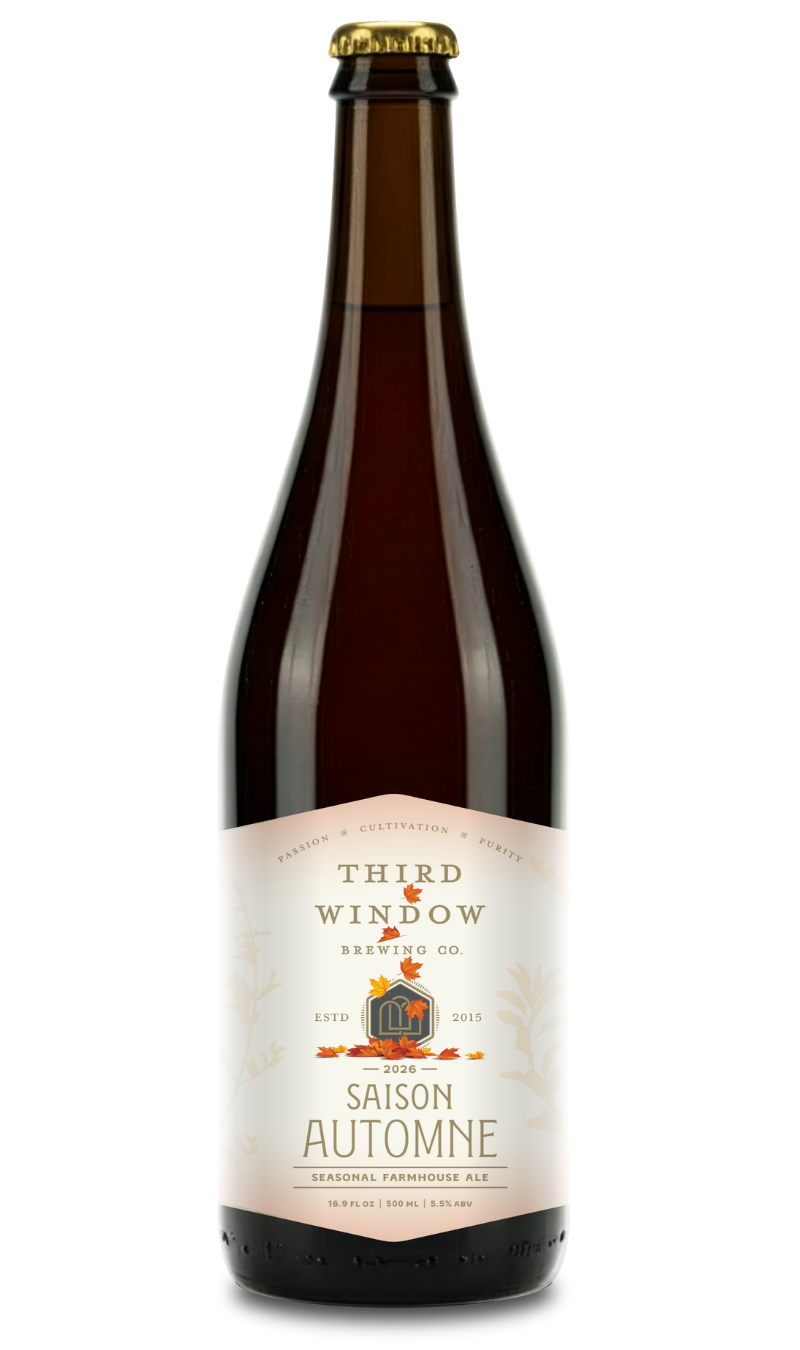
A brewery whose beers are shaped by family-ranch grain and wheat and a serious barrel-aging program. The lineup spans German-style pilsner, farmhouse and Abbey-style ales, wild beers, stouts, and spirit barrel-aged releases. Two saisons took bronze at the 2026 World Beer Cup. Bottled and canned selections range from $6 to $19, with the two-year bourbon barrel-aged Dátil anniversary ale limited to 75 cases.

Photo of Bird Creek Brewing

Bird Creek Brewing

Temple, TX · Restaurant

Inebrious Beverage Program Score: 93 out of 100
CocktailsSpiritsBeer$$

Bird Creek Brewing runs an on-site brewery and taproom in downtown established in 2023. The brewing program has real hardware behind it: 11 medals across four competitions in three years, a 2026 Texas Craft Brewers Cup Brewery of the Year title, and a GABF- and World Beer Cup-medaling American Pale Ale in Bare Bones Disco. A live tap list keeps current pours visible, a Beer Van takes four drafts off-site, and the nonalcoholic side covers teas, lemonade, and sodas at $3.00.

Photo of Gibraltar Restaurant

Gibraltar Restaurant

Lancaster, PA · Wine bar

Inebrious Beverage Program Score: 93 out of 100
CocktailsSpiritsWine$$

Gibraltar Restaurant runs a deep beverage program that spans a 20+ cocktail list, an extensive wine bottle selection, a broad spirits inventory, local draft beer, and two mocktails. The June 2026 libations menu covers signature and classic cocktails, plus an espresso martini flight; the wine list moves from a $22 flight to a $950 Corton Grand Cru. Draft beers lean on Victory, LBC, and St. Boniface.
Photo of Novare Res Bier Cafe

Novare Res Bier Cafe

Portland, ME · Restaurant

Inebrious Beverage Program Score: 93 out of 100
CocktailsSpiritsBeer$$

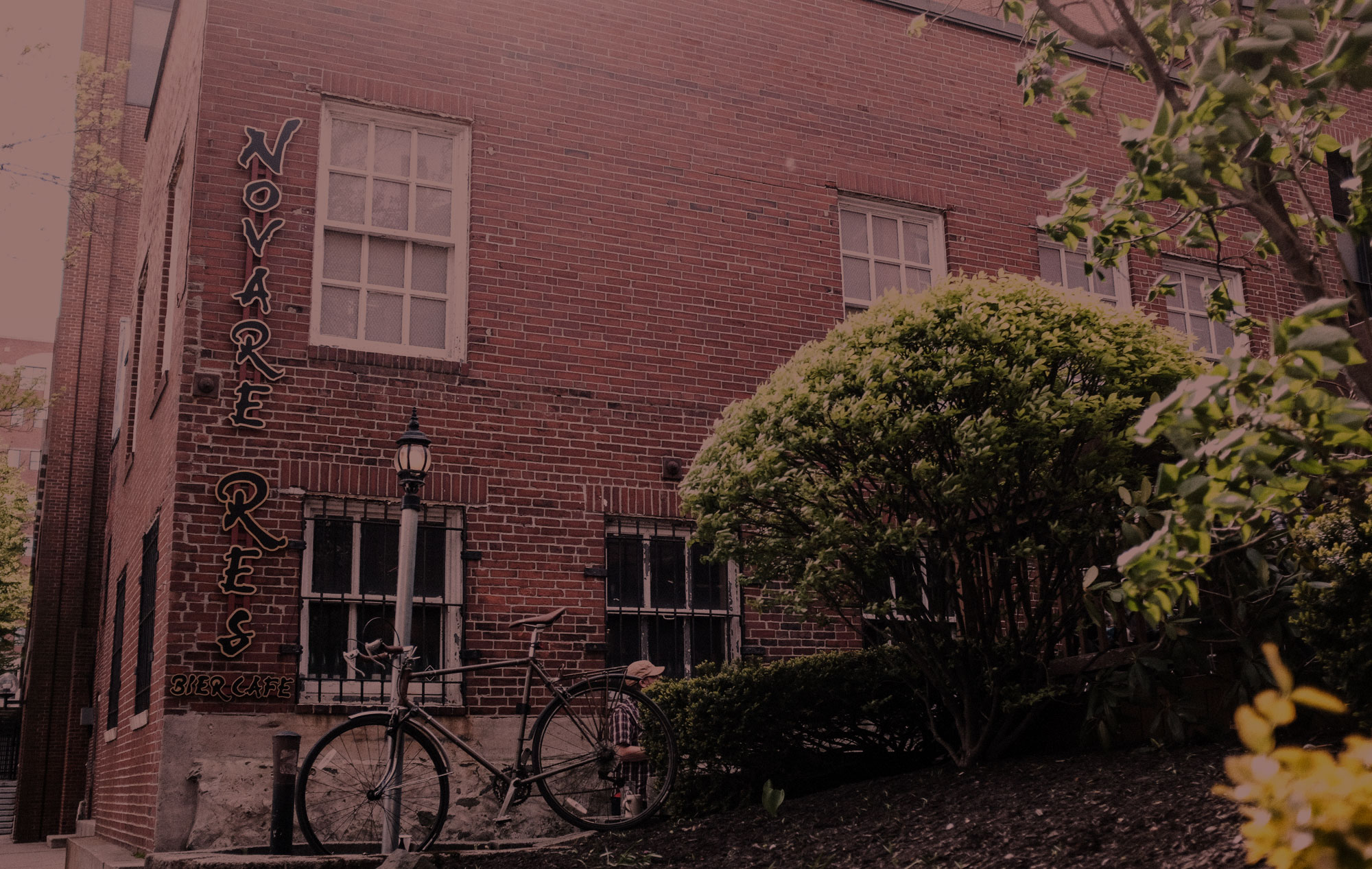
A beer-first program with 33+ rotating taps and a 170+ bottle list sorted by fermentation style, from Belgian lambic and farmhouse ales to German weizenbock and American double IPA. Wine runs white, red, rosé, orange, sparkling, plus meads and fruit wines, mostly $12 a glass. Spirits pour neat or on rocks only, 1.5 oz, with Islay scotch, agave, amari, and local Maine bottlings. Cocktails are frozen slushies and one canned mai tai.
Photo of Wrightsville Beach Brewery

Wrightsville Beach Brewery

Wilmington, NC · Restaurant

Inebrious Beverage Program Score: 93 out of 100
CocktailsSpiritsBeer$$

The brewery side of this restaurant runs ten house-brewed beers, from Airlie Amber Ale and Piping Plover Pilsner to Waterway IPA and a rotating seasonal lineup that includes Oysterman Stout and Wilmywood Wit. House beer also shows up in the kitchen, where it flavors BBQ sauce and pizza crust. Customers describe the draft selection as plentiful and the beer as pleasantly cold.

Photo of DEATH & TAXES

DEATH & TAXES

Reno, NV · Cocktail bar

Inebrious Beverage Program Score: 93 out of 100
CocktailsSpirits$$

The Book of Drinks at DEATH & TAXES runs from a full cocktail section to a dedicated Zero Proof list and bottled cocktails for retail. The Spirits Bible covers hundreds of expressions across bourbon, rye, Scotch, Japanese whisky, tequila, and mezcal, with whiskey flights from $15 to $385. Prices stay measured: cocktails $12–$18, zero-proof $11.50–$13.

Photo of The Century Bar

The Century Bar

Dayton, OH · Bar

Inebrious Beverage Program Score: 93 out of 100
CocktailsSpirits$$

A bourbon house with more than 800 whiskeys, including rare single malts and small-batch bourbons, plus private barrel selections bottled exclusively for guests. The cocktail program pairs tradition with modern finesse, offering signature, seasonal, and mocktail options. Named pours like Booker's and Knob Creek anchor an extensive spirits list.

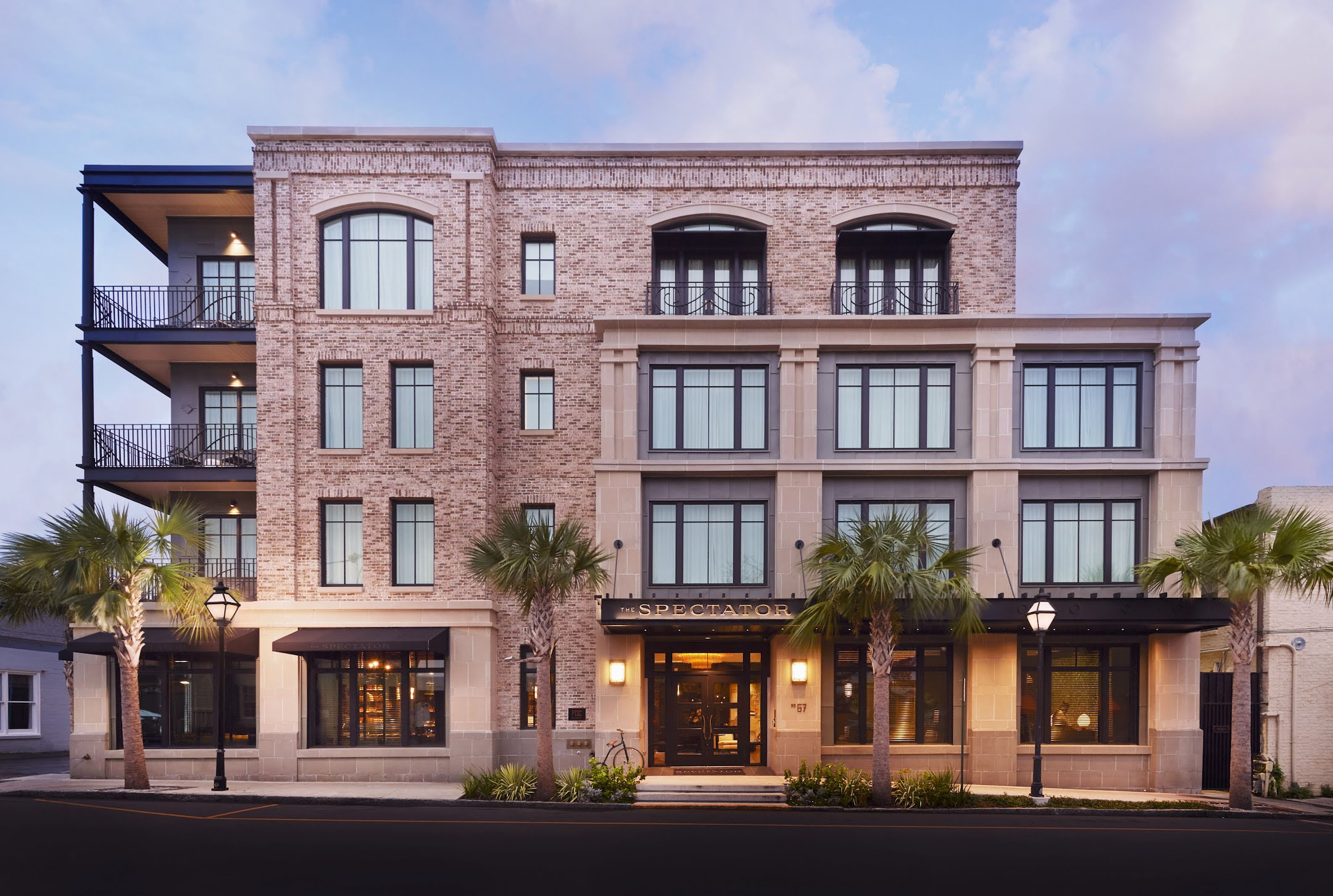
Photo of The Bar at The Spectator

The Bar at The Spectator

Charleston, SC · Bar

Inebrious Beverage Program Score: 93 out of 100
CocktailsSpirits$$

The Bar at The Spectator is a 1920s-inspired speakeasy that earned a spot among the country's top five bars from USA TODAY. The cocktail menu spans original and classic recipes, from the rye-forward Sorry Not Sorry to the rum-and-banana Cheeky Monkey. A serious wine list runs from $12 glasses to $470 bottles, with half-price bottles during Wednesday live music. Local drafts and a full zero-proof program round out a well-built bar.

Photo of Wicked Rabbit

Wicked Rabbit

Omaha, NE · Bar

Inebrious Beverage Program Score: 93 out of 100
CocktailsSpirits$$

Wicked Rabbit runs a classically grounded cocktail program with modern twists, fresh ingredients, and theatrical touches like flames and smoke. The spirits list is expansive, reaching rare tequila and Scotch pours. A concise beer list and a creative zero-proof section round out the menu. This is a cocktail destination with serious range.

Photo of Jewel of the South

Jewel of the South

New Orleans, LA · Restaurant

Inebrious Beverage Program Score: 93 out of 100
CocktailsSpirits$$

Jewel of the South's cocktail program is a history-steeped operation with classic technique and seasonal invention, earning World's 50 Best Bars and a James Beard Award. The menu spans classics to inventive builds like Feast of Avalon and Curried Banana Colada, with bottled cocktails for home. Wine and nonalcoholic options hold their own, making this a serious all-round beverage destination.

Photo of THE TELL ME BAR

THE TELL ME BAR

New Orleans, LA · Wine bar

Inebrious Beverage Program Score: 93 out of 100
CocktailsSpiritsWine$$

The Tell Me Bar is a natural wine bar with a meticulously curated list spanning France, Italy, Spain, Germany/Austria, Georgia, and the US, plus large formats and sherry. Named Eater's Best Wine Bar of the Year 2023, it runs weekly events like Sherry Flights on Wednesdays and Rare Wine Glass Specials on weekends. Happy hour brings value: $10 wines by the glass and a $12 Cappelletti Spritz.

Photo of Templin Family Brewing

Templin Family Brewing

Salt Lake City, UT · Brewery & taproom

Inebrious Beverage Program Score: 93 out of 100
CocktailsSpiritsBeer$$

Templin Family's beer program is the draw: over 100 beers with a lager focus, and the awards back it up. Granary KellerBier took Gold at the 2024 International Beer Awards, and München Helles earned Silver at GABF 2023. The small wine list includes a natural red blend and a pét-nat Riesling. A serious destination for precise, traditional styles.

Photo of Wine Bar George - A Restaurant & Bar

Wine Bar George - A Restaurant & Bar

Lake Buena Vista, FL · Restaurant

Inebrious Beverage Program Score: 93 out of 100
CocktailsSpiritsWine$$

Master Sommelier George Miliotes runs a wine program that earns global recognition, with over 200 wines available by the ounce, glass, or bottle. The list spans Champagne, Bordeaux, Burgundy, and Napa, and includes rare pours like DRC and Harlan Estate. By-the-ounce service invites exploration, while special experiences like The Champagne Flight add theater. Guests praise the staff's ability to guide newcomers, though the room can get loud and prices climb.

Photo of canon

canon

Seattle, WA · Cocktail bar

Inebrious Beverage Program Score: 93 out of 100
CocktailsSpirits$$

Canon's beverage program is anchored by an audacious spirits collection—4,000 labels, from $10 mezcal pours to a $780 vintage cognac. The cocktail menu, though custom-designed for private events, earns community praise for creativity and presentation. Happy hour cuts wine and draught beer by half, but the real draw is the depth of rare and vintage spirits.

Photo of Sweet Liberty Drinks & Supply Company

Sweet Liberty Drinks & Supply Company

Miami Beach, FL · Cocktail bar

Inebrious Beverage Program Score: 93 out of 100
CocktailsSpirits$$$

Sweet Liberty Drinks & Supply Company pairs a World's 50 Best Bars pedigree with a playful, creative cocktail menu. From frozen drinks to highballs and a dedicated zero-proof section, the program runs deep. Happy hour brings $5 cocktails and oyster deals, making it a draw. The spirits list earned a global award, cementing the bar's reputation for serious drinking.